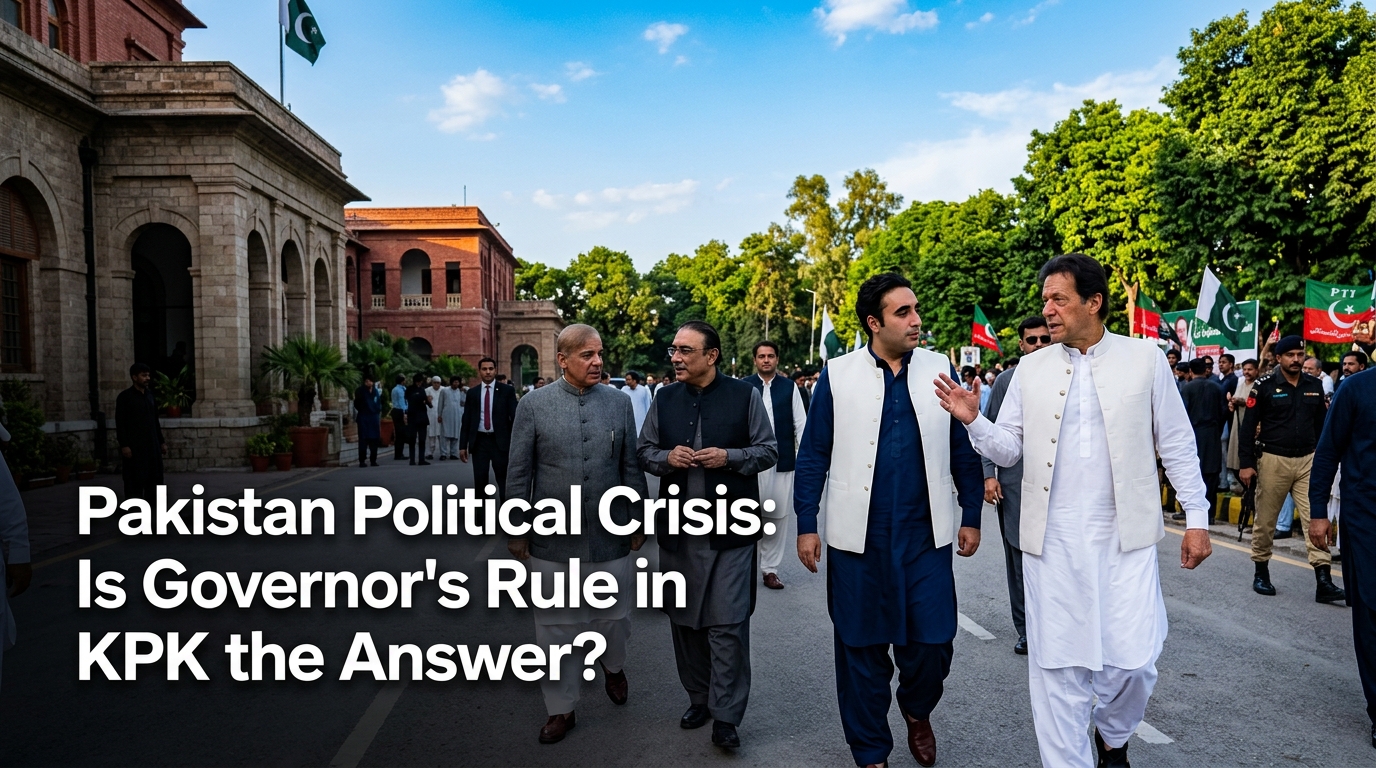
Is Governor's Rule in KPK the Answer
Dr. Muhammad Rehman (Policy Analyst)
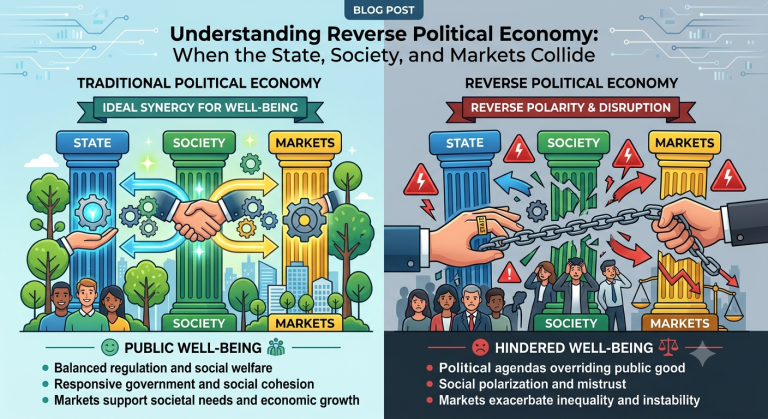
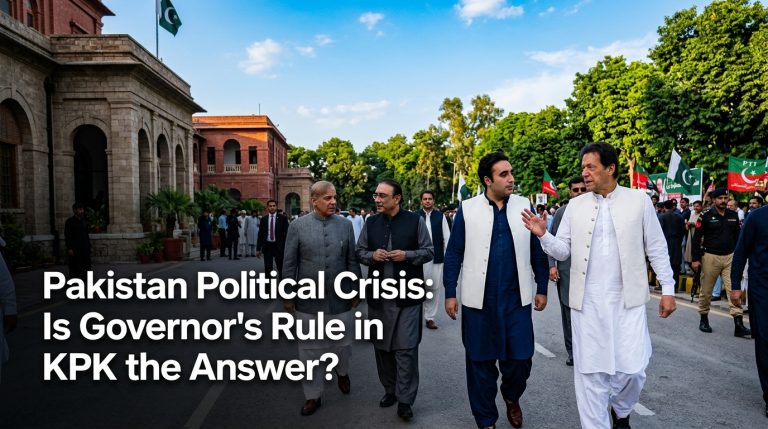
Pakistan’s political crisis has entered a catastrophic new political phase. An emergency and governor’s rule now cover Khyber Pakhtunkhwa (KPK). This political move follows weeks of protest, rising terrorism and open conflict between the centre and the province. This blog offers a critical evaluation of the crisis. It draws on an expert discussion among policy practitioners and security analysts. The central question is simple. Can force solve a political problem? Can political will exist without legitimacy? Has political economy completely transformed into reverse political economy in Pakistan?
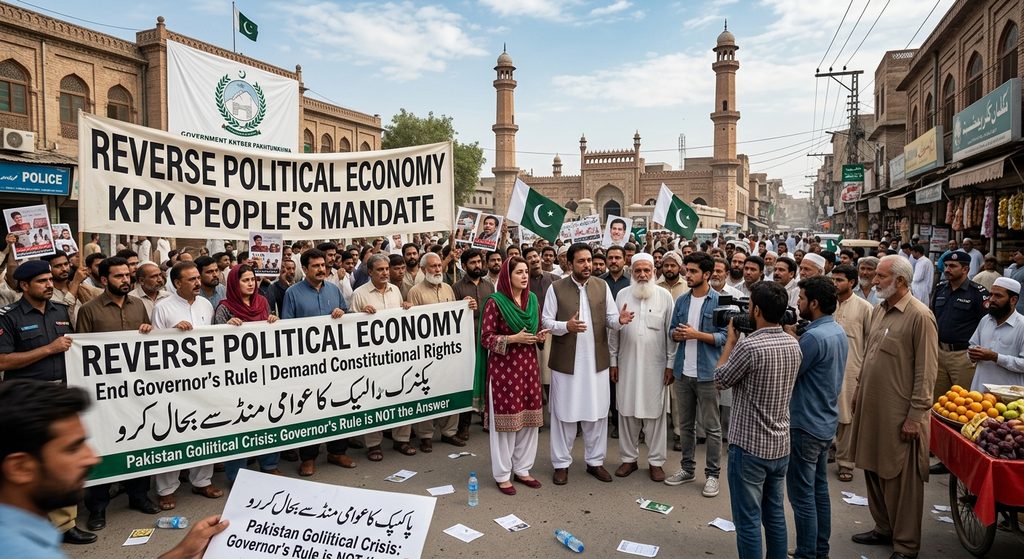
What Happened in Khyber Pakhtunkhwa
President Asif Ali Zardari proclaimed an emergency in KPK on the prime minister’s advice, citing worsening security. Governor Faisal Karim Kundi took charge with an 11-member advisory council. The decision followed a long march led by Chief Minister Sohail Afridi. The PTI march demanded the release of jailed leader Imran Khan. The proclamation was signed under Articles 232 and 234 of the Constitution.
This is not new for the province. It is the fourth time governor’s rule has been imposed in KPK. Past experience gives reason for caution.
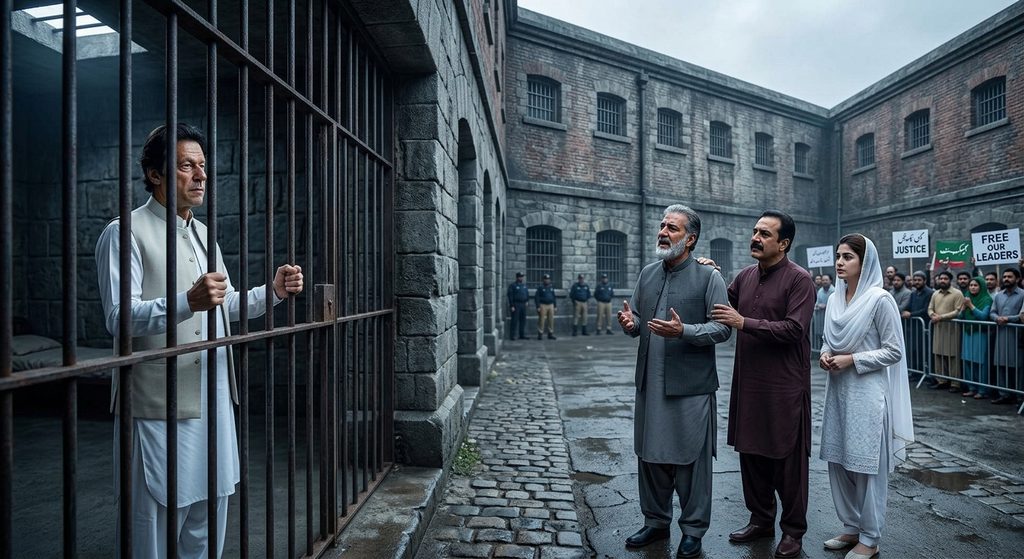
Why Experts Warn Against Forcible Solutions
Alienating a Volatile Province
Many political analysts who served in KPK share one concern. “Emergency rule may worsen conditions in a highly volatile province.” Removing an elected government risks alienating local people. Public ownership matters in any fight against terrorism. Without local support, security operations lose legitimacy. One participant summed it up well. There are no forcible solutions to political problems.
Lessons from the Former FATA
The former FATA offers a cautionary tale. Until 2018, the federal government ran it much like governor’s rule. The Political Agent system governed daily life. It did not deliver lasting peace. Critics fear the same logic may repeat itself. Direct control from the centre cannot replace local consent.
Governance and Security Failures Behind the Crisis
Police Left Exposed
Security analysts at PICSS say they warned for nearly five years about militants targeting police. Police are the first line of defence. Yet the provincial government reportedly did not equip them properly. Militants often held superior weapons. Officers became easy targets. In southern KPK, this created a revolt-like mood within the force.
A Zero-Sum Game Between Centre and Province
Law and order is a devolved subject. It needed space between both governments. Instead, both sides entered a zero-sum contest. Critics say the PTI’s governance model in KPK performed poorly. Others note that a province hit by terrorism cannot be compared with any other. Both federal and provincial governments share responsibility. Neither can claim a clean record.
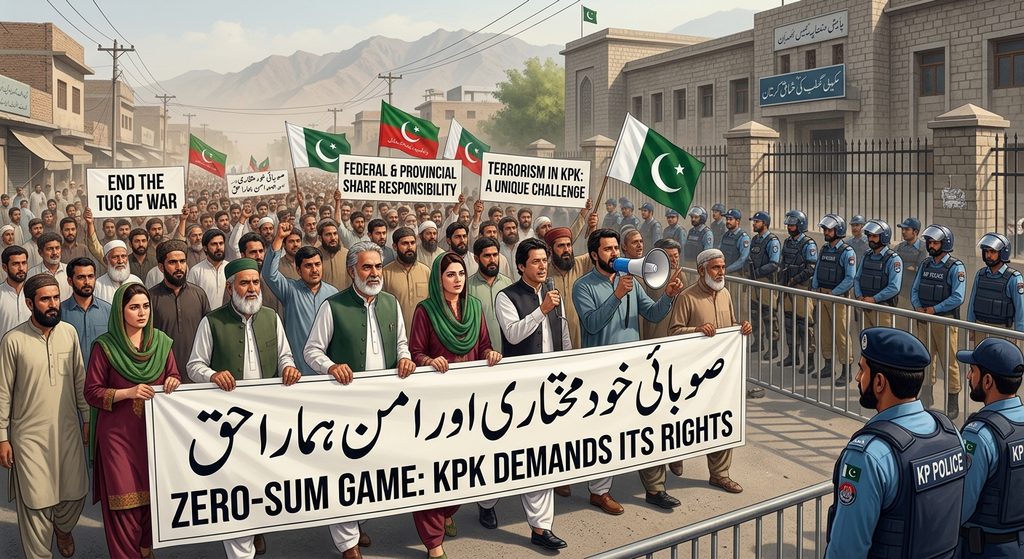
Did PTI Misread the Moment?
Some analysts believe PTI’s leadership lacked political vision. They argue that confrontation weakened the party’s bargaining position. KPK could have cooperated in the fight against terrorism. That cooperation might have opened a political path for Imran Khan.The party leaned on street power and social media. Critics also blame online activists abroad. Meanwhile, supporters at home bear the real cost.
Can a Technocratic Advisory Council Succeed?
The Argument Against Technocrats
Technocrats often lack political understanding. They may fix a few problems and create bigger ones. Pakistan has already tried many governance models. Several experts argued that only an elected government can bring stakeholders together. Such a government needs capacity, will and determination. A council cannot replace a public mandate.
Who Really Governs?
Some observers fear that some institution will govern directly through the council. In that view, the governor becomes largely ceremonial. Others say the council needs political concessions and confidence-building measures. Without them, it may look like a temporary patch. Credibility will depend on inclusion, not just competence.
The Deeper Problem: Weak Parties and Disputed Elections
Several discussants said every actor added to the complexity. Some institutions also became involved in politics. Parties themselves are not democratic institutions. Champions of democracy rarely allow democracy inside their own ranks. Many questioned current leadership after allegedly rigged elections. They cited 1970 as the only widely accepted fair vote. Public trust remains low.
Local Government as a Way Forward
A strong, financially empowered local government system could help. It would let parties build capacity and groom leaders. It would also move decisions closer to citizens. As one participant noted, lasting change needs public demand. Citizens must stop accepting the status quo.
What Pakistan Should Do Next
- Open dialogue: PTI’s chairman has said the party is open to talks through constitutional means. The government should respond.
- Set a timeline: Announce a clear plan to restore the elected provincial government.
- Protect the police: Provide modern equipment and training to KPK’s first responders.
- Coordinate counter-terrorism: Federal and provincial agencies must share a single strategy.
- Empower local government: Strengthen institutions that give citizens a voice.
Conclusion
Pakistan’s crisis is political, not just administrative. Force may restore order briefly. It cannot restore trust. The centre, the province and some institutions must give each other space. Only a credible elected process can deliver lasting peace in KPK. Until then, the crisis will keep returning in new forms.
Author
Dr. Muhammad Rehman is a policy analyst focused on global governance, energy policy, and Public-Private Partnership (PPP) mechanisms across sectoral development projects. He writes for Global Policies Analysis, examining how supranational institutions and policy frameworks shape development outcomes worldwide.
About the Author



wonderful research mashallah
Great.