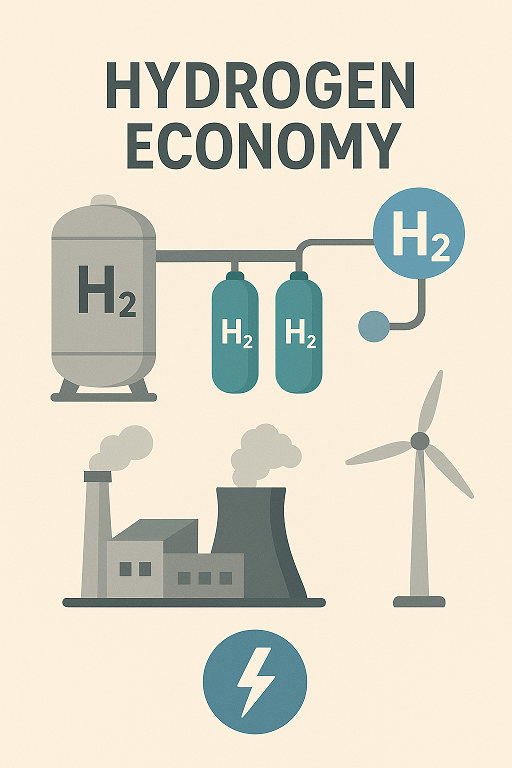
Hydrogen energy and Hydrogen economy
Dr. Muhammad Rehman (Policy Analyst)
Hydrogen economy is an energy-based system that aims to transform the current fossil-fuel and renewable-energy economy into one that uses hydrogen as a major energy carrier. Two perspectives shape the hydrogen economy: it helps decarbonize major sectors (overall sector where emissions can be reduced) and Hard-to-Abate sectors (sectors are considered to decarbonise).
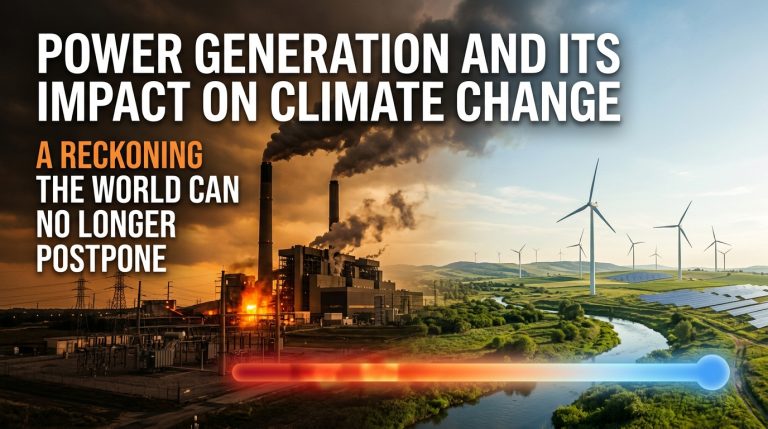
Energy is considered the backbone of socio-economic development in both developing and developed countries. Countries around the world adopt different mechanisms to generate power through both conservative and non-conservative methods. For the power generation mechanism, the world has introduced multiple power generation policies and organisations to monitor and evaluate the power generation sector to reduce the emission of greenhouse gases.
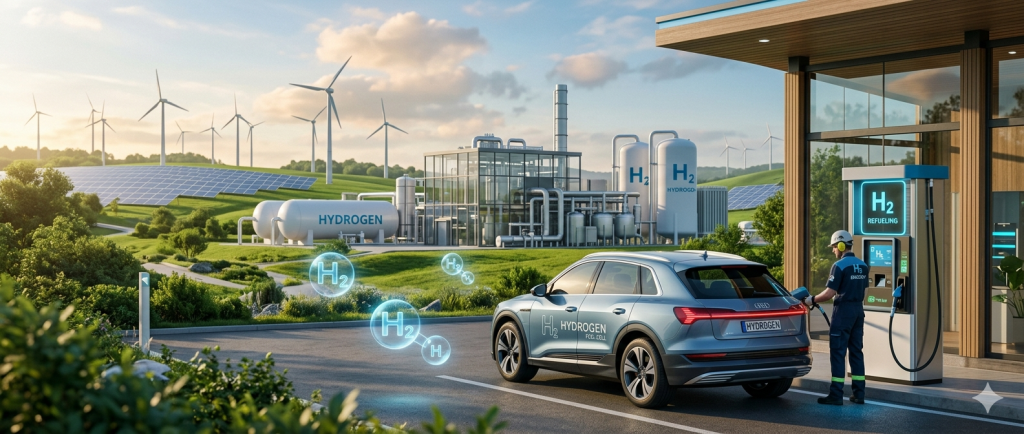
Relationship between Hydrogen Economy and Energy
Hydrogen economy and hydrogen energy are interrelated, but they are not the same terminology. Hydrogen energy is related to power generation technologies used in the power generation mechanism that use hydrogen gas to generate energy. On the other side, the hydrogen economy represents a broader concept in which societies and industries use hydrogen as a main energy carrier. It involves the various sectors such as power generation, storage, transportation, synthetic fuel, infrastructure and global energy trade.
Hydrogen economy opens new dimensions in the energy sector by helping to reduce the carbon footprint. Green hydrogen produced via electrolysis powered by renewable energy sources such as solar and wind is emerging as a promising solution for energy challenges.
Formation of Hydrogen (H₂)
The first “gas voltaic battery” was created by Sir William Robert Grove in 1839. Hydrogen (H ₂) is a colourless gas that does not naturally exist on its own, so it is generated artificially. The sustainability of hydrogen depends on three main types, which include grey hydrogen (based on fossil fuel and releases CO₂), Blue hydrogen (based on fossil fuel but captures and stores CO2 emissions) and green hydrogen (using renewable energy source with no CO₂ emissions released). Green hydrogen offers a clean fuel alternative that emits only water vapour when used, helping reduce reliance on fossil fuels, lower emissions, and enhance energy security.
The hydrogen industry is still largely captured by the grey hydrogen that is based on fossil fuels. Today, the concept of “cost and sustainability” has become a more prominent concept than the concept of “cost and benefit”. In the coming years, industries will transform “grey hydrogen” into “green hydrogen”. Analysts estimate the global hydrogen market value at $242.63 billion in 2026, and it will grow significantly to about $33.37 billion by the end of 2035.
First Hydrogen Electricity Projects
The first hydrogen electricity projects were established in Europe during the late 2000s. Countries pursued these projects to store renewable energy and make their electrical systems more reliable and sustainable. The Netherlands launched the first hydrogen grid-blending pilot project in 2007on Ameland Island. Engineers blended hydrogen with natural gas in residential distribution grids. The official name of the project is “Hydrogen Blending with Natural Gas on Ameland”.
The First Hydrogen Commercial Plant
Italy opened the first commercial plant using pure hydrogen for power generation in 2010. The Fusina Hydrogen Power Station generate 16 MW of hydrogen using a combined-cycle generator. Germany was the second country in the development of hydrogen technology. The pioneer project, known as the E.ON Falkenhagen power-to-gas (PtG) plant, began operating in 2013, producing hydrogen from excess electricity generated by wind power facilities and injecting it into the natural gas grid. Another important project is the Audi Werlte e-gas plant, which also produces hydrogen from renewables. This project uses hydrogen to create synthetic methane (CH4) with the addition of carbon dioxide. Other important hydrogen energy projects included the Frankfurt Thüga hydrogen injection project and the French GRHYD program.
Japan Hydrogen Strategy
Japan introduced its Basic Hydrogen Strategy in 2017 with the goal of becoming a “hydrogen society”. Japan’s approach emphasizes the use of hydrogen in power generation, mobility, and residential heating, with an early focus on fossil-fuel-derived hydrogen and a gradual transition toward clean sources (Renewable Energy Institute, 2022). Japan is the country that formulated and implemented the first hydrogen policy (2017), also known as the Basic Hydrogen Strategy. The European Union formulated its first hydrogen policy in 2020, also known as EU Hydrogen Strategy. South Korea introduced first hydrogen law in 2021, also known as the “Economic Promotion and Safety Control of Hydrogen Act”.
The future of the hydrogen economy is likely to be complementary to renewable energy but not a substitute for renewable energy generation in the future decarbonization.
References
Borm, O., & Harrison, S. B. (2021). Reliable off-grid power supply utilizing green hydrogen. Clean Energy, 5(3), 441-446.
Khaleel, M. M., Abulifa, S. A., Abdaldeam, I. M., Abulifa, A. A., Amer, M., & Ghandoori, T. M. (2022). A current assessment of the renewable energy industry. African Journal of Advanced Pure and Applied Sciences, 122-127.
About Author
Dr. Muhammad Rehman is a dedicated academic and researcher in Governance & Public Policy. He combines strong research experience with active scholarly work, focusing on contemporary issues in governance and policy analysis. Known for his clear communication style and research-oriented approach, he engages scholars and readers with practical insights and critical thinking. His work reflects a commitment to evidence-based policy solutions and academic excellence in the Pakistani higher education context.
About the Author




Your blog is well-organized, informative, and engaging. I particularly appreciated how you presented the information clearly while maintaining the reader’s interest throughout the article. Excellent work!
very detailed and informative content in this blog regarding hydrogen economy
Always learn something new from your blogs. This one on is very practical. Appreciate you taking time to write it